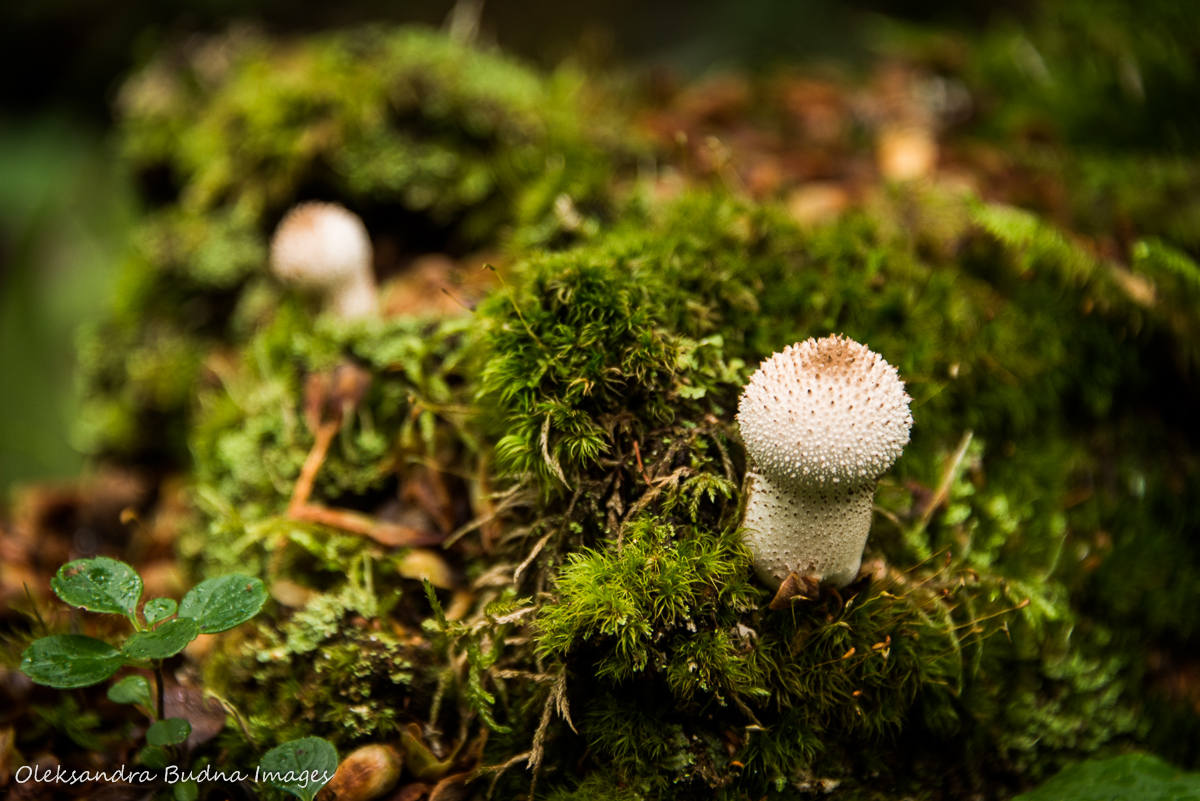
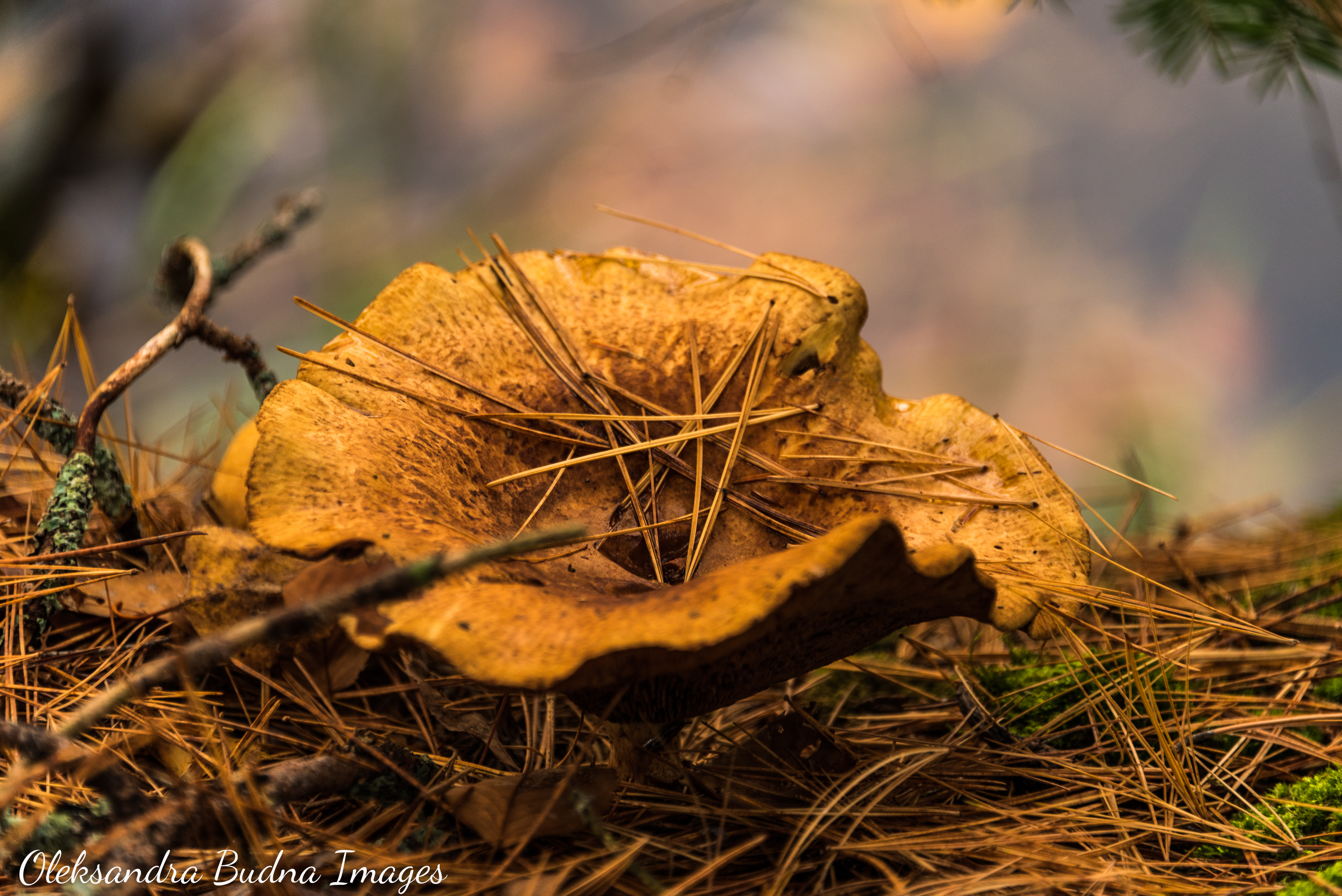
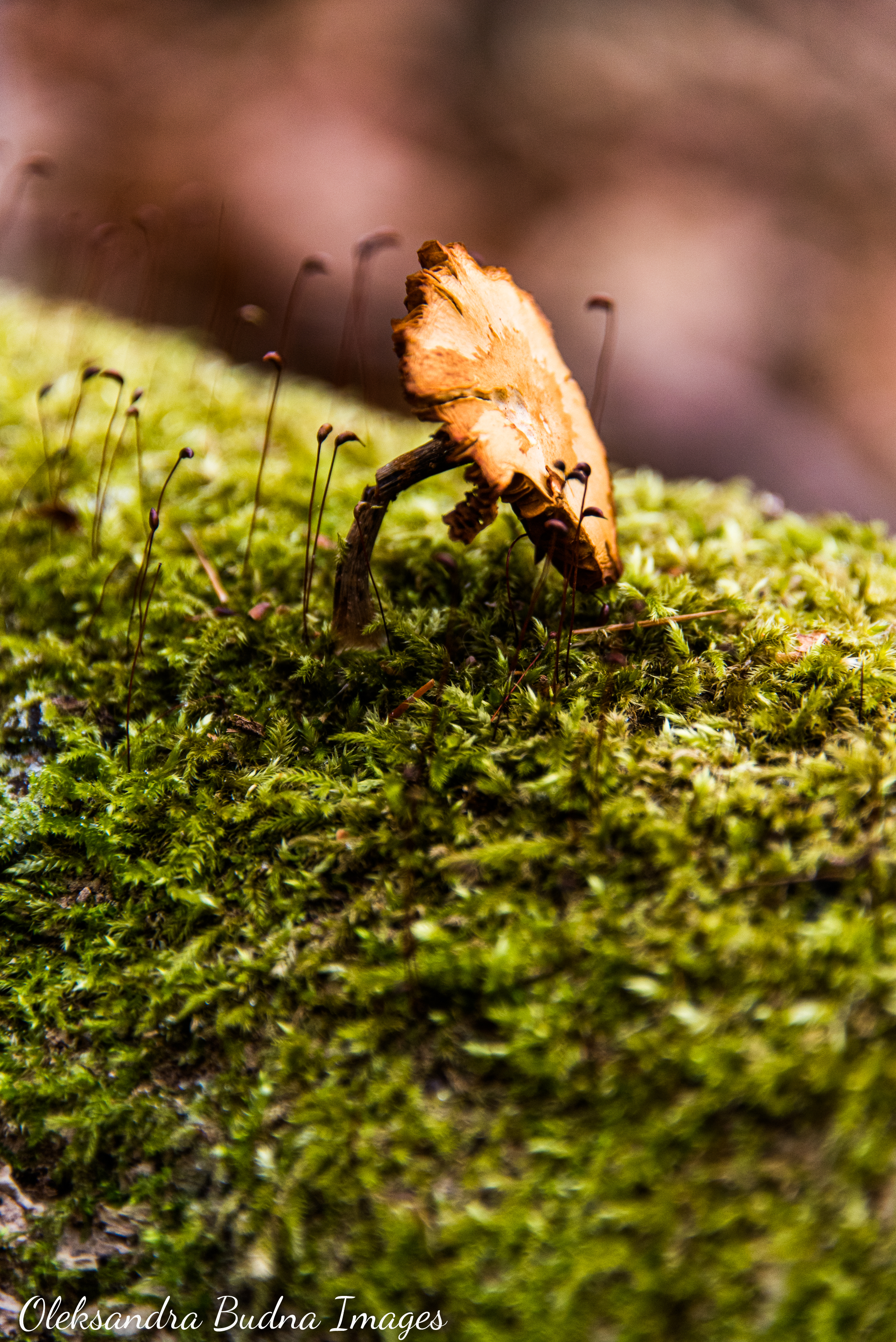
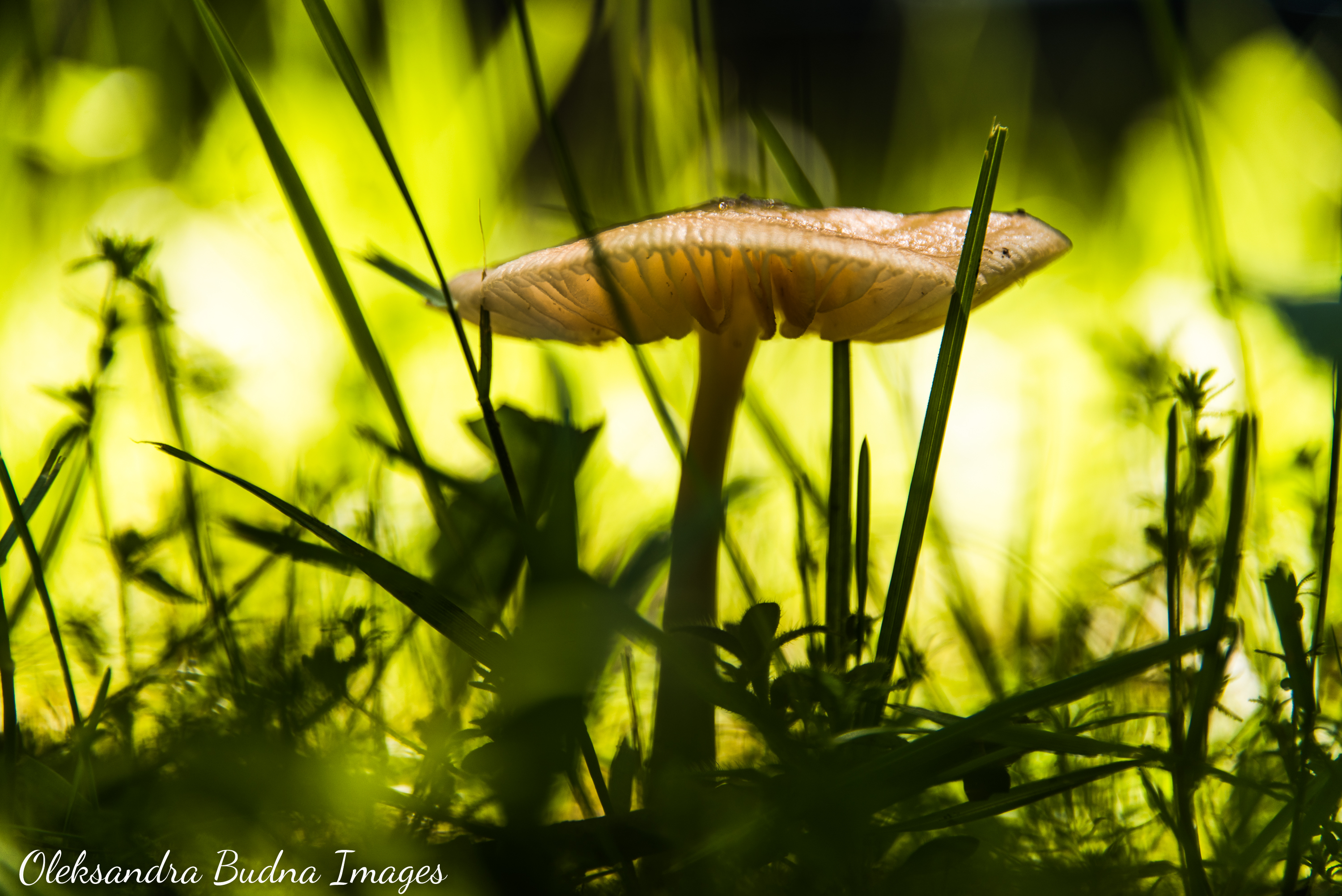
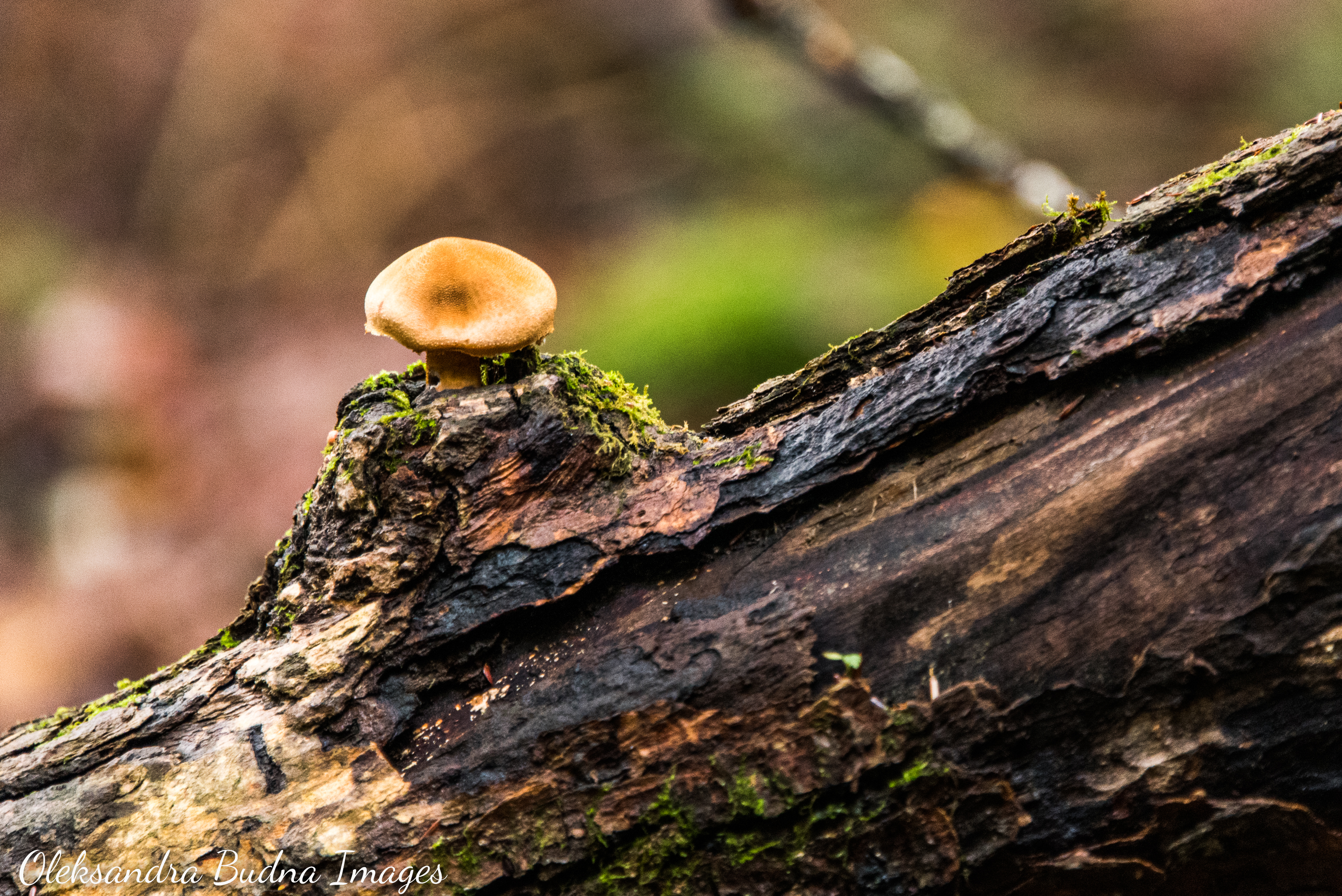
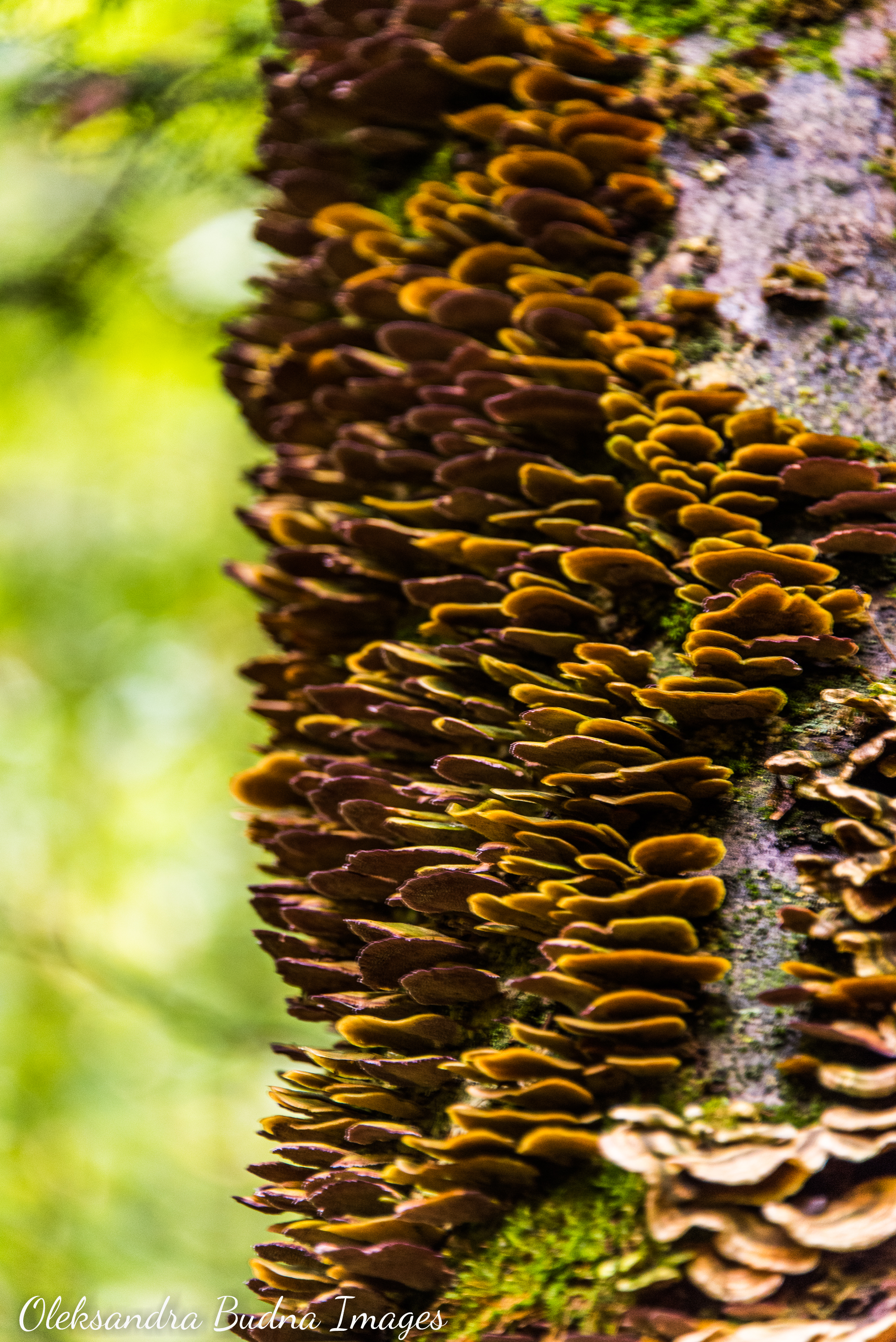
Fantastic Fungi and Where to Find Them was longlisted for the CBC Nonfiction Prize 2020. Here’s the full essay along with some photos of fantastic fungi foraged over the years.
The mushroom stall at the farmers’ market smells of last year’s leaves and childhood. Rows of neatly arranged containers are filled with sturdy creminis, portobellos with their oversized caps, delicate grooved petals of oyster mushrooms, speckled cinnamon caps on spindly legs, chanterelles resembling crumpled orange flowers, porous white lumps of lion’s mane.
I take in this beautiful sight while an overly enthusiastic vendor lists the names in his singsong voice. For effect, he punctuates his speech with sweeping motions across the table like a sales assistant on a shopping channel. I wait for him to finish, then reach for what looks like a head of cabbage with loose, grayish leaves: “What about this one?”
I haven’t seen one of these since I was a kid when on Sunday mornings my grandfather returned from his mushroom foraging expeditions and spread the bounty on the table. Usually, the fare was familiar: russulas, orange birch boletes, chanterelles, honey mushrooms, porcini if he was lucky. Occasionally, there was an alien, non-mushroom looking shape. My grandfather held it proudly beckoning for me to have a closer look. “This is a fun one,” he would say. He called it ram’s horns.
“This one,” the vendor’s upbeat voice pulls me back into the present. “This one is called maitake, also known as chicken-of-the-woods or ram’s head.”
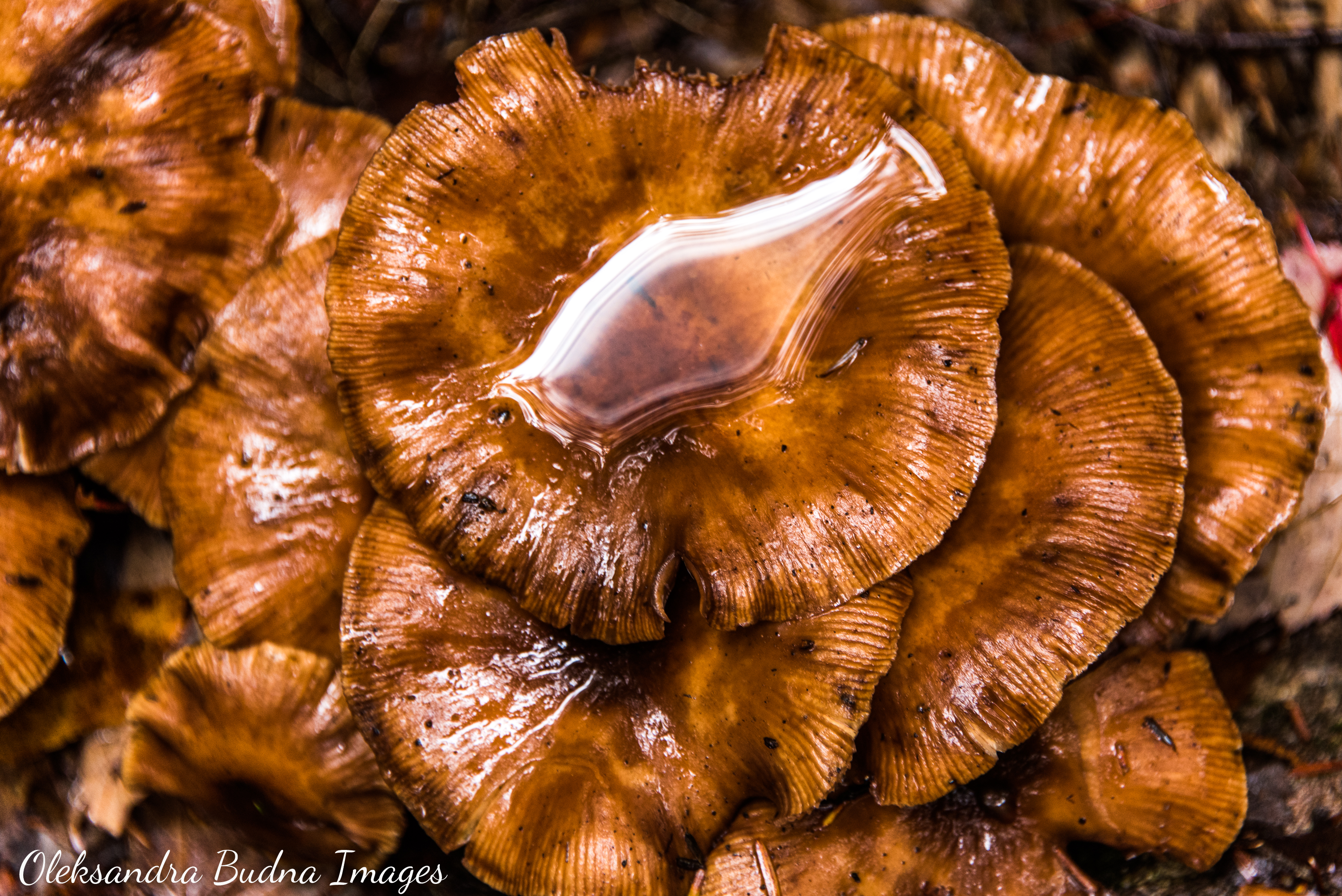
My knowledge of mushrooms is a medley of facts foraged from many different places. I remember learning about fungi in my biology class, then later reading about omni-present, invisible networks of mycelium running under our feet. These networks are so extensive that one of the largest living organisms on earth is a fungus called Armillaria ostoyae in the Malheur National Forest in Oregon. The appropriately nicknamed Humongous Fungus covers the area of almost four square miles. At this impressive size, it manages to remain mostly out of sight, its presence betrayed only by the appearance of what we call mushrooms, which are, in fact, its fruiting bodies.
Another scrap of my biology class knowledge: with their plant-like looks and DNA similar to ours, fungi confuse our systems of taxonomy and make them hard to categorize. Scientists placed them in their own kingdom – the kingdom of fungi.
When I first read about it in my textbook, my imagination sprang into action painting vivid scenes of everyday life in the said kingdom. Porcini had to be the king – that much I knew. That knowledge, however, didn’t come from a textbook. It was something I picked up in the forest classroom that lay behind my grandparents’ house in the west of Ukraine and where I spent most summers foraging for mushrooms, berries and nuts. Porcini were regarded as the biggest prize. While the other mushrooms were usually cooked and eaten right away, porcini were cut and threaded onto strings. For days, mushroom necklaces decorated the kitchen, the smell of the forest wafting around. Once they turned into wrinkled, leather-like strips, they were stored for winter awaiting their turn at the Christmas Eve dinner table.
In the forest classroom, my teachers were less concerned with taxonomy and focused more on differentiating between edible and inedible mushrooms. There, I learned how to cut mushrooms close to the ground rather than pull them out and where to look for different types of fungi. Who taught me those lessons? In my head, they are recounted in my grandfather’s voice, even though he never brought me along on any of his mushroom foraging trips.

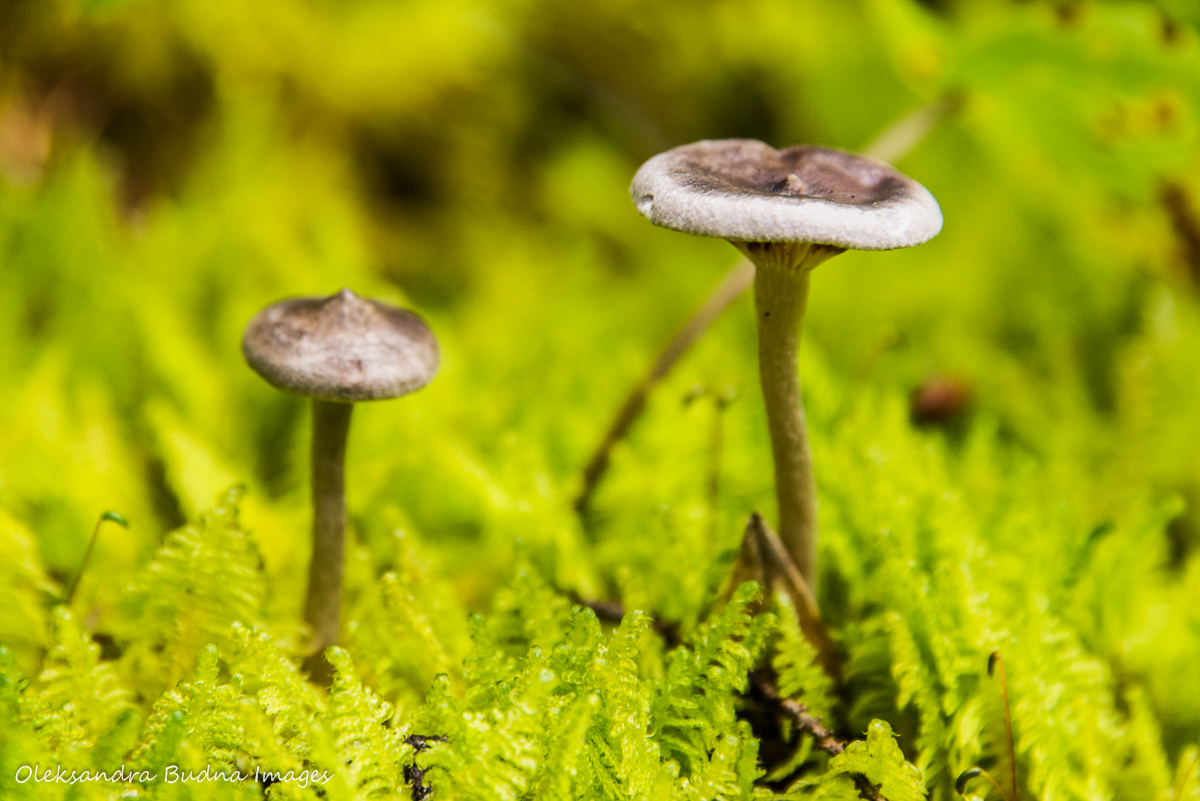
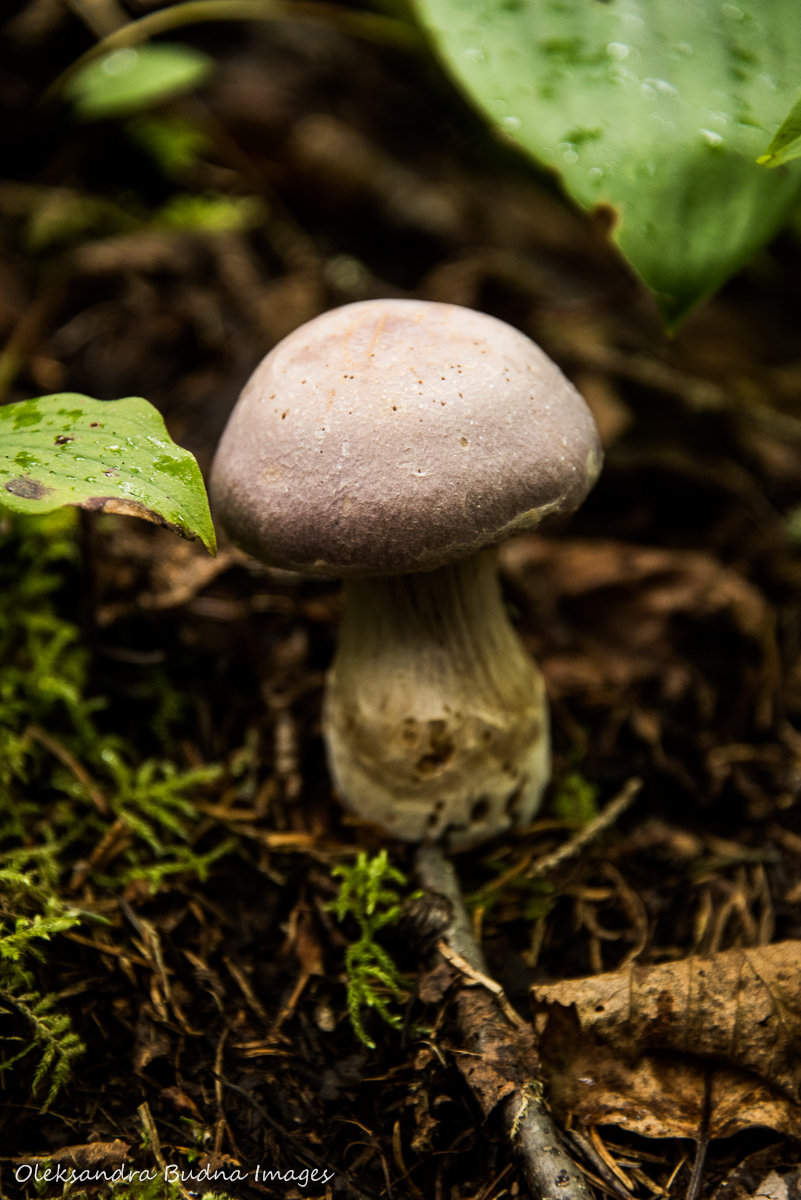

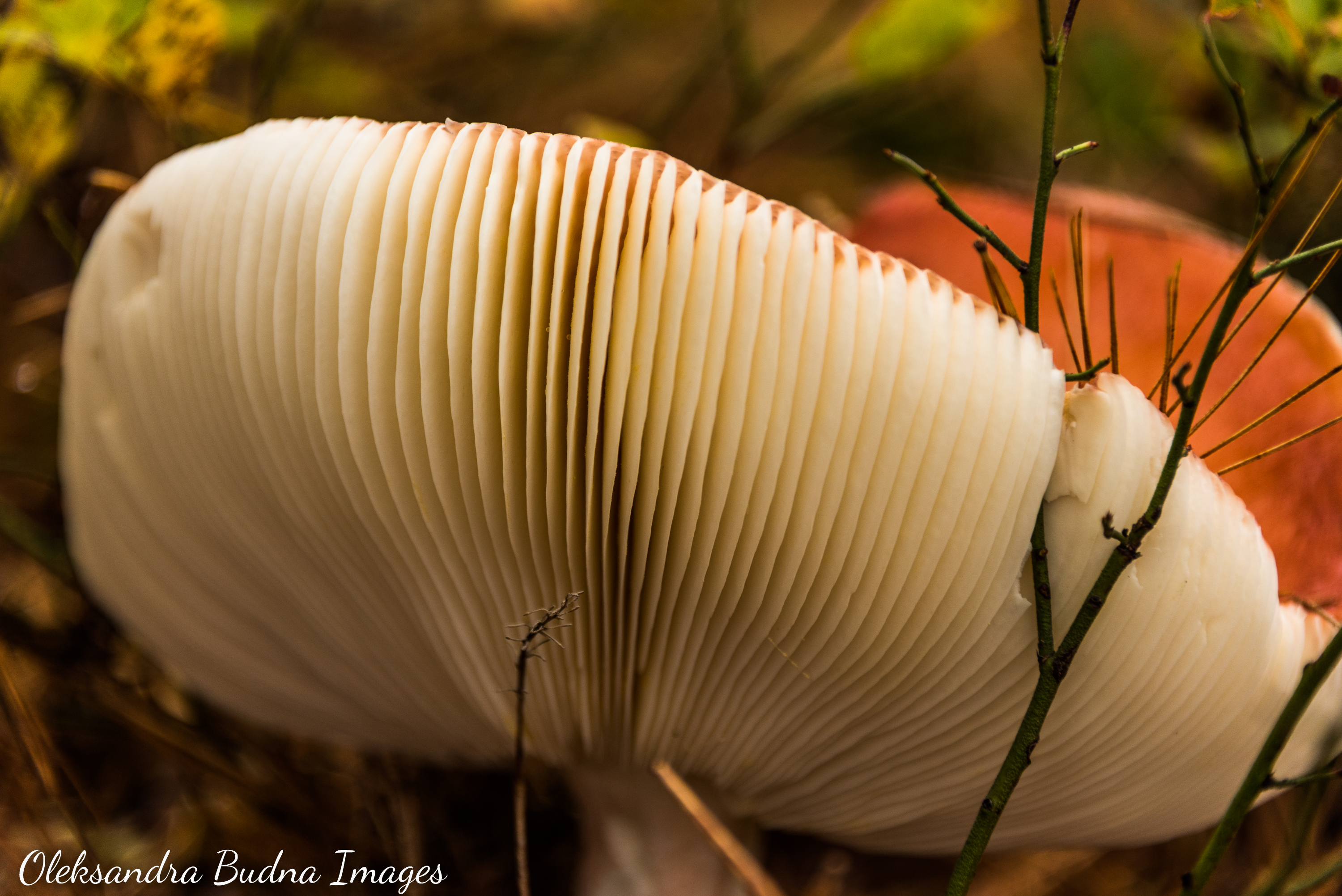
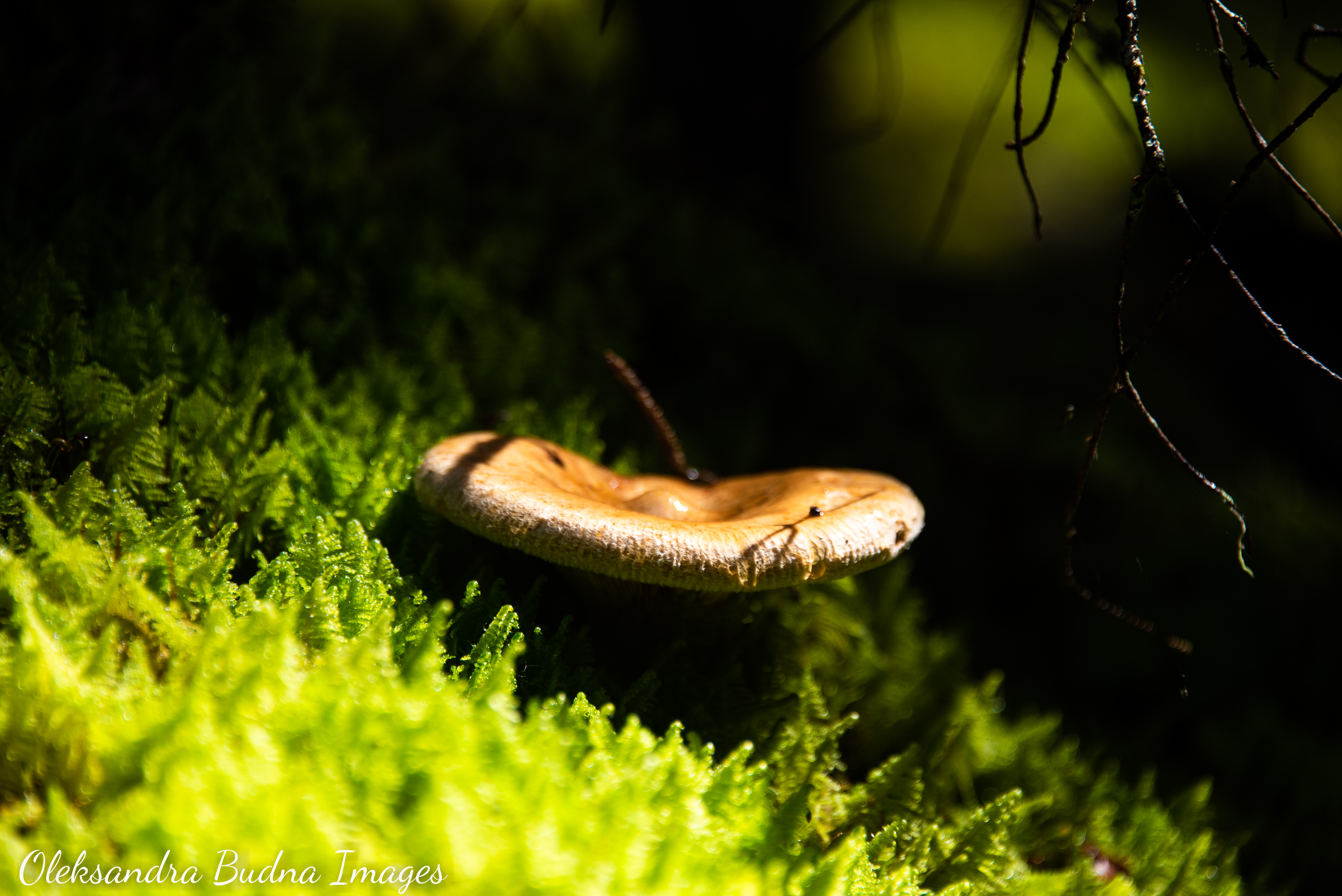
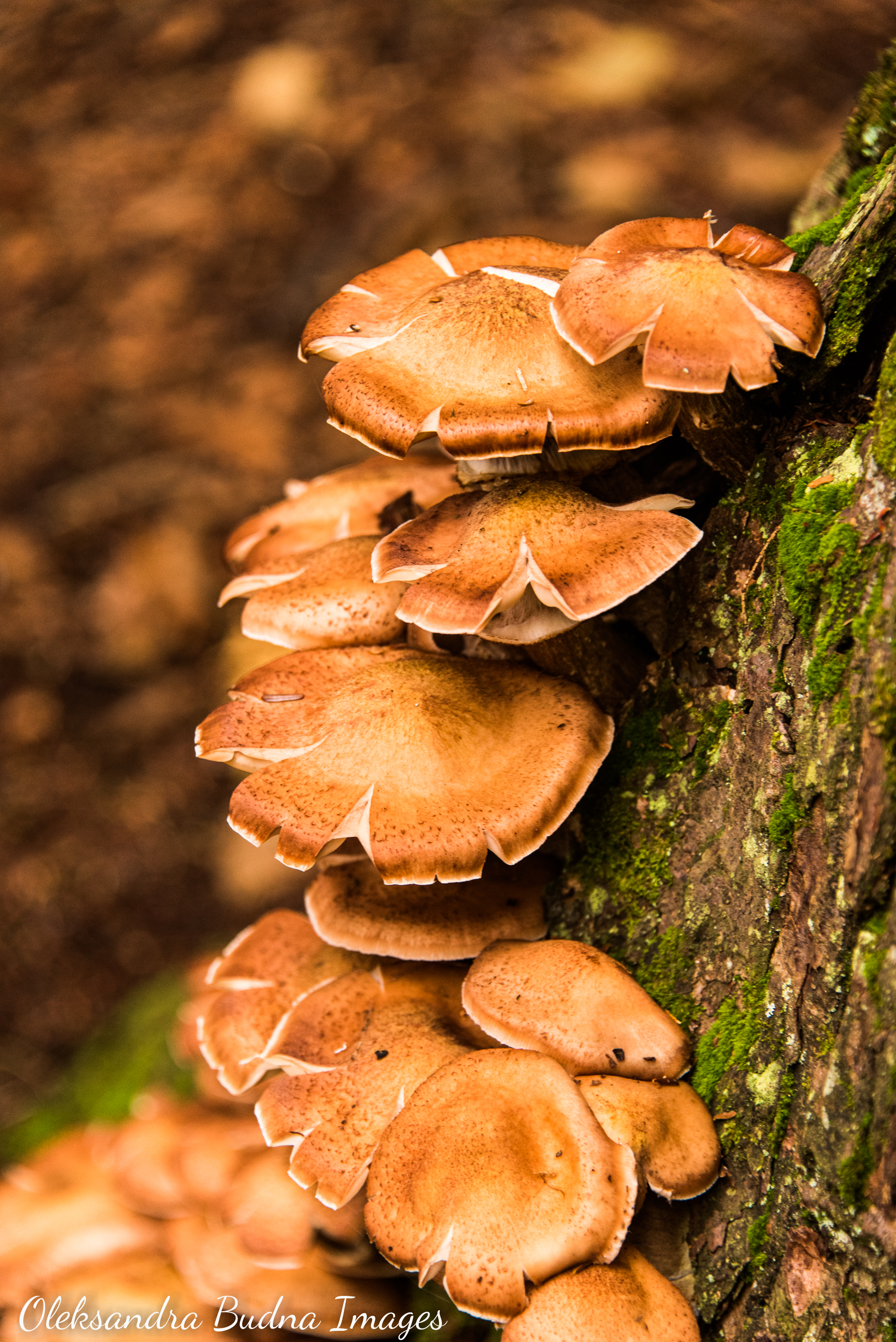
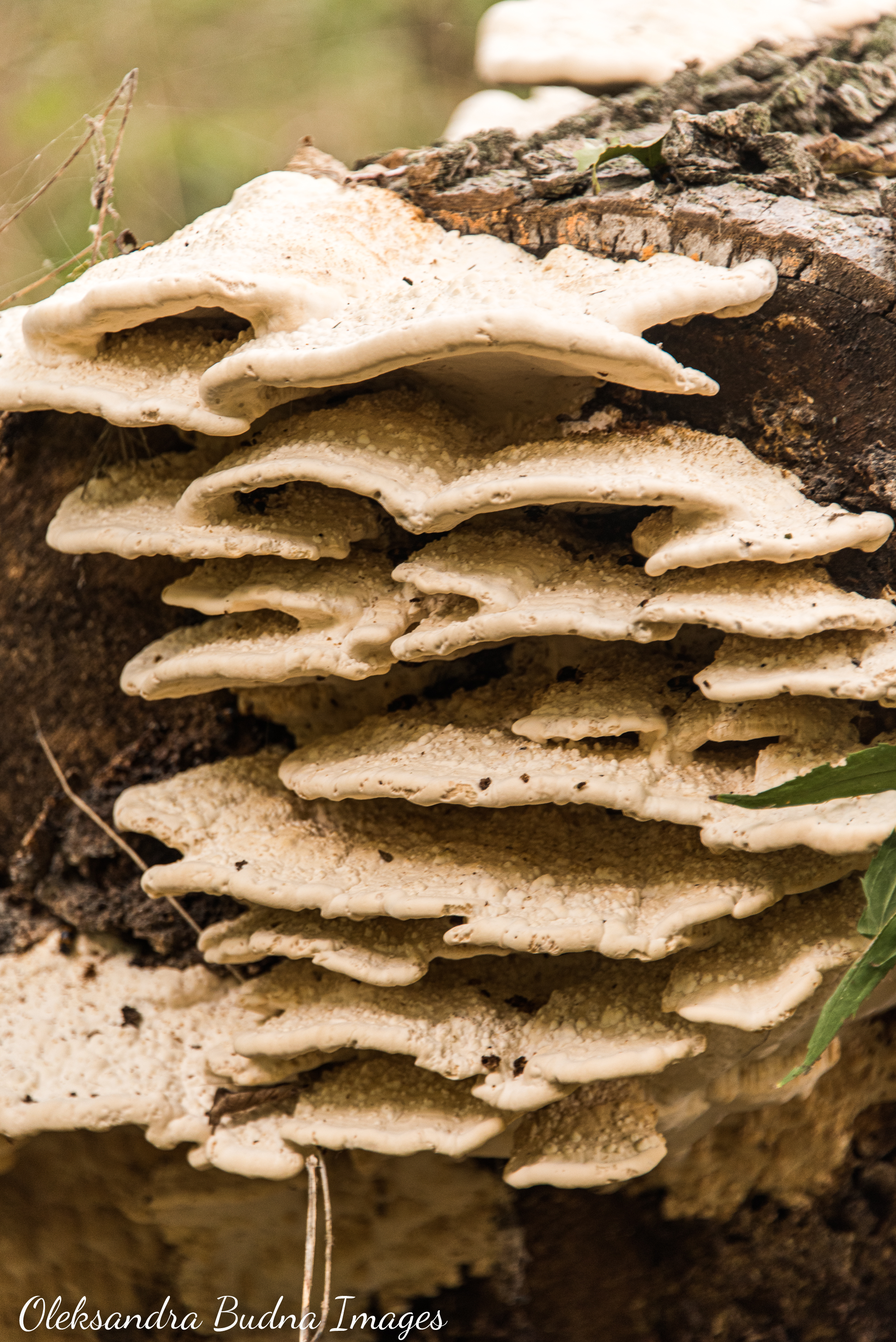
My grandfather wasn’t much of a talker; he seemed to have little use for his mouth. His hands, however, were always busy: weeding the garden, mowing grass in the orchard, tending the bees, chopping firewood for winter. Coarse like sandpaper, his hands had a map of lines painted with dirt so deeply engrained that no amount of water and soap seemed to be able to wash it off.
As I watched him move from one task to another, I thought there was nothing he couldn’t do. My grandfather helped build half the houses in the village. When my grandmother became too sick to get out of bed, he took on cooking with the same vigour he applied to any other job. When I visited them one last time before moving to Canada, it was Christmas season. The table featured traditional twelve dishes: from kutia (a meal made of wheat berries, nuts, poppy seeds and honey) and borscht to cabbage rolls and pierogis, even home baked bread – all prepared by my grandfather.
As I watched my grandfather move from one task to another, I thought there was nothing he couldn’t do.
When I think of my grandfather, I remember his hands wielding a plane, gliding it across a rough board, his hunched silhouette bathed in a cloud of sawdust and a smell of freshly cut wood. He loved working with wood. Except for a futon, every piece of furniture in the house came out of his workshop. As a kid, I occasionally managed to sneak in there when he wasn’t around and spent hours on the sawdust-covered floor building cities out of random board ends and curly wood strips.
I think of his hands deftly rolling a cigarette, then sticking it behind his ear. His hands turning over a book page. In the evening, after the work was done, he would read voraciously everything he could get his hands on: newspapers, magazines, fiction, non-fiction. Ukrainian history was his favourite subject. It was hard to believe he’d only had three years of official schooling.
I think of his hands petting rabbits and scratching calves behind their ears. He gave names to all the animals: cows, pigs, roosters. He talked to them like they could understand him. In fact, he seemed to prefer their company to that of humans.
On Sunday mornings, when most people were preparing for church, my grandfather would often pack a canvas bag and a pocket knife and disappear into the pre-dawn grayness. I watched him cut through a corn field behind the house, cross a narrow brook at the end, then weave his way through a dew-covered orchard until he was swallowed by the forest.
He wandered in those woods for hours, without a map or a compass, never getting lost. Sometime around noon he would stroll back, whistling a tune, his skin, usually the texture of an old oak tree, looking smoother and younger. He would hand me a round container he’d made out of birch bark filled with heart-shaped wild strawberries or raspberry thimbles. Then, he would spread the mushrooms on the table.


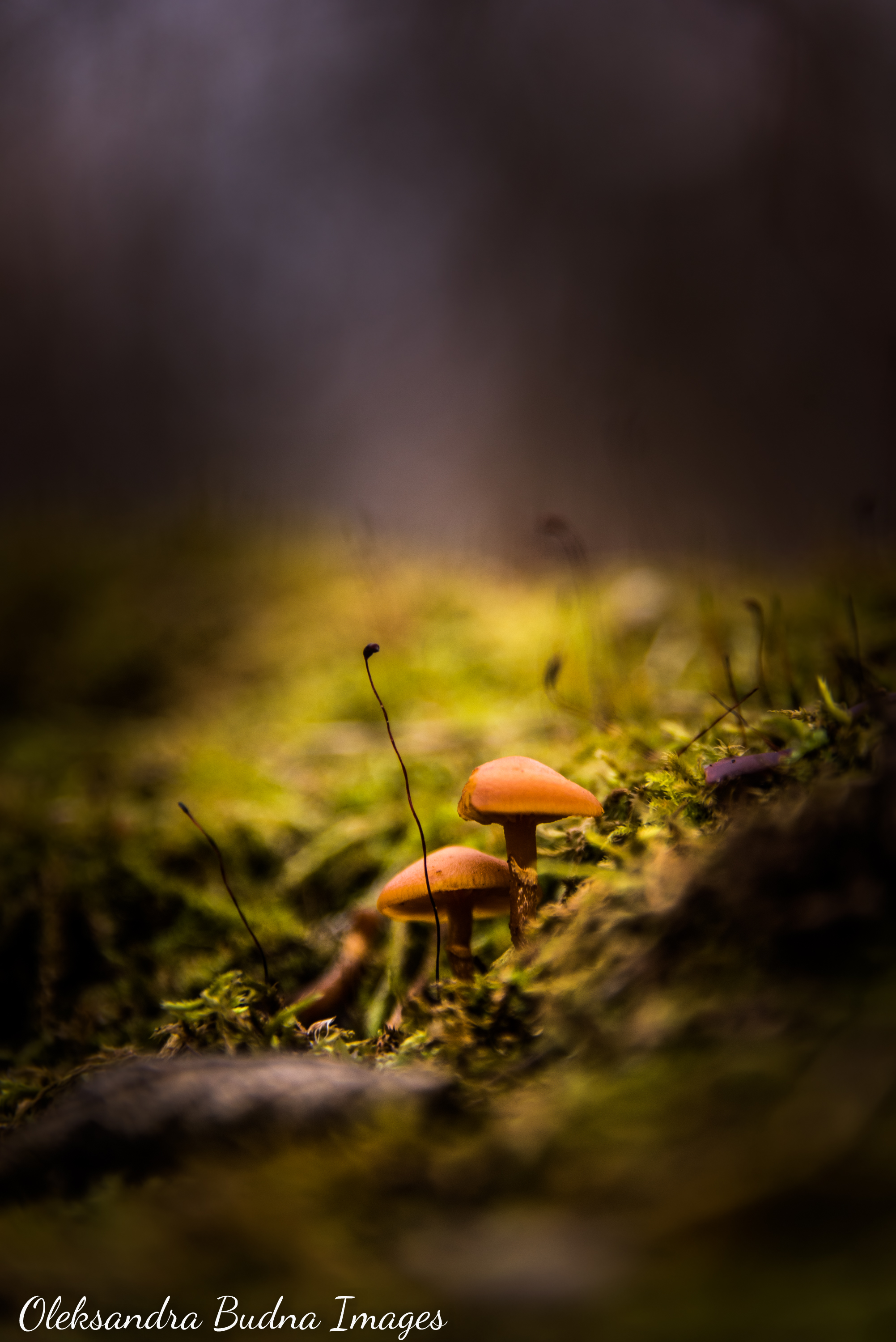


Mushrooms have long been a part of our lives. Through generations, people passed knowledge of which mushrooms can feed us, which ones can heal us, and which can show us new worlds. Fungi, however, have uses beyond our dinner table or medicine cabinet.
Once we start digging deeper, it becomes clear they are part of every life supporting function. These invisible masters of metamorphosis quietly decompose debris and help release nutrients to build up soil and feed new growth. They can break down toxic chemicals and clean water and air.
These keystone species thread ecosystems together through underground networks. Mycorrhizal fungi that grow around plant roots connect different species so they can exchange resources with each other.
Fungal networks are often referred to as a “wood wide web.” Yet, unlike Internet, fungi don’t just transmit information. They are active agents capable of making decisions based on their own interests.
The more I read about fungi, the more I think there is nothing they can’t do. They are used to create sustainable materials and ecofriendly packaging. Bricks “grown” out of mycelium are durable and lightweight. Some fungal extracts are used to build up antiviral resilience in bees while others help control mites and other pest insects and save bee colonies.
Feeders, healers, spiritual guides, bees’ friends, builders and decomposers, communicators and connectors – this list of skills that fungi could put on their resume is just the beginning. One thing we know for sure is how much we still have to learn about them. According to Fantastic Fungi, a fascinating collection of essays and stories: with at least three million species of fungi known to exist, another 100 million or more still remain undiscovered.
There is, of course, a dark side to fantastic fungi: some of them can kill.



The image of my grandfather that I carry in my head is less of a cohesive picture and more a collage of stories. Born in western Ukraine, he lived through several regime changes. My grandfather was fout when World War II started. His father joined the army never to come back home; he was believed to be missing in action in what was then known as Czechoslovakia. How much did my grandfather remember of him? He never talked about it.
My grandfather was raised by my great grandmother who never remarried or fully recovered from the loss of her husband. At eighteen, he met my grandmother. He didn’t have much to offer except for his dashing looks, skillful hands and hardworking nature. They were married soon after.
The image of my grandfather that I carry in my head is less of a cohesive picture and more a collage of stories.
In their house, high up on the wall, in the corner was a picture of them on their wedding day: young and handsome, both in Ukrainian embroidered shirts. My grandmother wearing a flower wreath on her head; my grandfather wearing a solemn expression, pain lurking in his eyes.
Where did the pain come from? That was another subject my grandfather refused to talk about. At the time when mental health was a foreign concept, the only outlet he could find for his pain was alcohol and uncontrollable anger that erupted out of him with a terrifying force. My grandmother and their three children’s lives were punctuated by these violent outbursts.
I never witnessed that side of my grandfather. By the time I came along, he seemed to have made peace with himself or at least some form of truce, however flimsy it was. But I saw the aftermath in the wounds my mother and her siblings had always carried with them. His pain, while removed from me, still shaped my life.

On the day I learned of my grandfather’s death, I found myself wandering through the lumber aisle at Home Depot. Customers and staff must have been surprised to see me crying over a pine board. The smell of wood brought me back to my grandfather’s workshop, microscopic pieces of sawdust suspended in the beams of light. I remembered his hands tracing knots on the board, his hands proudly holding the mushrooms he’d just brought back from the woods, his hands leafing through a book.
On the day I learned of my grandfather’s death, I found myself wandering through the lumber aisle at Home Depot. Customers and staff must have been surprised to see me crying over a pine board.
I thought of mycelium that would soon embrace his shrunken body and start breaking it into particles to be digested by the earth. But it wasn’t this thought that made me sad. My tears came from the realization of how little I knew about him. Now his stories, his dreams, his thoughts, his deeply buried pain were gone forever. So I meticulously catalogued every microscopic thread that connected me to my grandfather: my love of nature, my penchant for solo camping trips, a coffee table and a shelf I made out of wood pallets together with my son, my little balcony garden, piles of books by my nightstand, and scraps of mushroom knowledge.

A couple of months later, on Christmas Eve, I watched dried porcini float in the water. Once they unfurled and their wrinkles smoothed out, I started working on the mushroom gravy, one of the twelve traditional Christmas dinner dishes. I boiled them first, then sautéed with onions and garlic, slowly adding flour and mushroom broth, stirring until a golden-brown mixture was bubbling on the stove. As I set an extra plate on the table, which, according to tradition, is meant for our departed ancestors, I thought of my grandfather. I hoped his spirit had finally managed to find peace and was now roaming the forest in search of mushrooms.
 Stories of Entangled Life